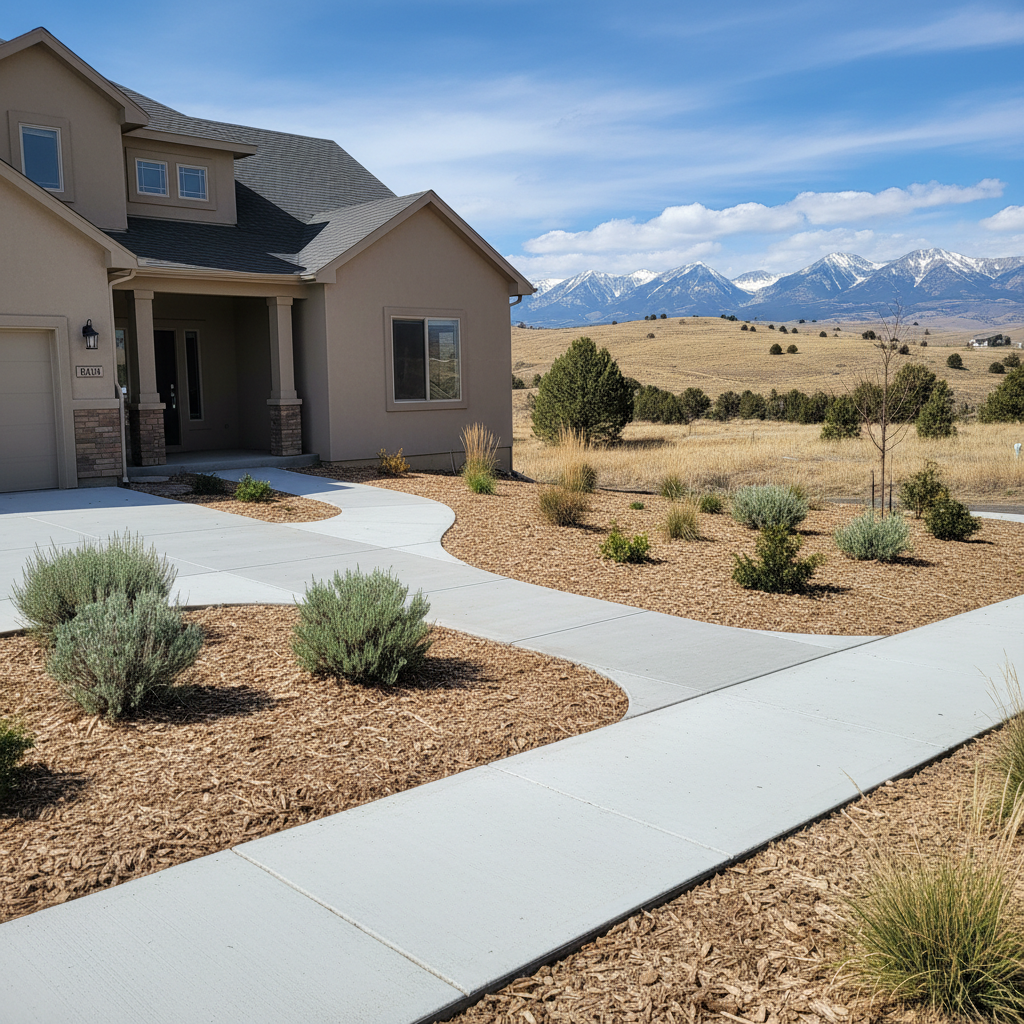
You need some concrete work done, right? Maybe it's a new driveway, a patio, or some foundation repairs. It's a big investment, and you definitely want it done right. But how do you actually pick a good concrete contractor in Lehi? It's not always as simple as just calling the first number you see, believe me. I've been in this business a long time, and I've seen it all. Here's what you really need to know to make sure you're hiring a legitimate, skilled crew.
What Should You Ask Potential Contractors?
Once you've got a few names, don't be shy about asking direct questions. This isn't just about getting a price; it's about understanding who you're letting work on your home. Here are some of the big ones:
- Are you licensed and insured? This isn't negotiable. They should have a current Utah contractor's license, and they absolutely need general liability insurance. If something goes wrong, you want to know they're covered, not that you're suddenly on the hook. Ask for proof, by the way, not just a verbal 'yes.'
- How long have you been in business? Experience really matters, especially with concrete. Our climate here in Lehi, with its freeze-thaw cycles and sometimes tricky clay soils, can be tough on concrete if it's not mixed and poured correctly. A contractor who's been around for a while knows these local conditions inside and out.
- Can you provide references? A good contractor will be proud to show off their work and connect you with past clients. Call those references! Ask if the project was completed on time, if the crew was professional, and — this is key — if they'd hire them again.
- What's your process for this specific job? Don't just assume they know. Ask about excavation, sub-base preparation, rebar or mesh, concrete mix design, and curing. For example, if you're getting a new driveway, ask about how they'll handle drainage. A good contractor will explain it clearly, without making you feel dumb, which is nice.
- Do you offer a warranty? What does it cover, and for how long? Concrete can crack, sure, but excessive cracking or spalling due to poor workmanship should definitely be covered. Get this in writing.
Digging into the Quote: What to Look For
Getting a quote isn't just about the bottom-line number. You need to understand what's included and what's not. A detailed quote protects both you and the contractor. Here's what I look for, and what you should too:
- Line-item breakdown: A good quote won't just say